EVGasCalc Run calculation
Your data never leaves your browser

EV vs Gas Comparison

Analyze long-term financial benefits and environmental impact using real-time energy pricing and local fuel averages. Pick a real car, plug in your driving, see the breakeven.

Popular comparisons

Gasoline Engine

Electric Motor

Shared parameters
12,000
80%
View current incentives →

Note: The federal EV tax credit expired September 30, 2025. State incentives auto-fill based on your selection above.

Cumulative cost over time

Breakeven projection
Electric Gasoline

Cost breakdown

Line-by-line, EV vs gas
Category Electric Gasoline
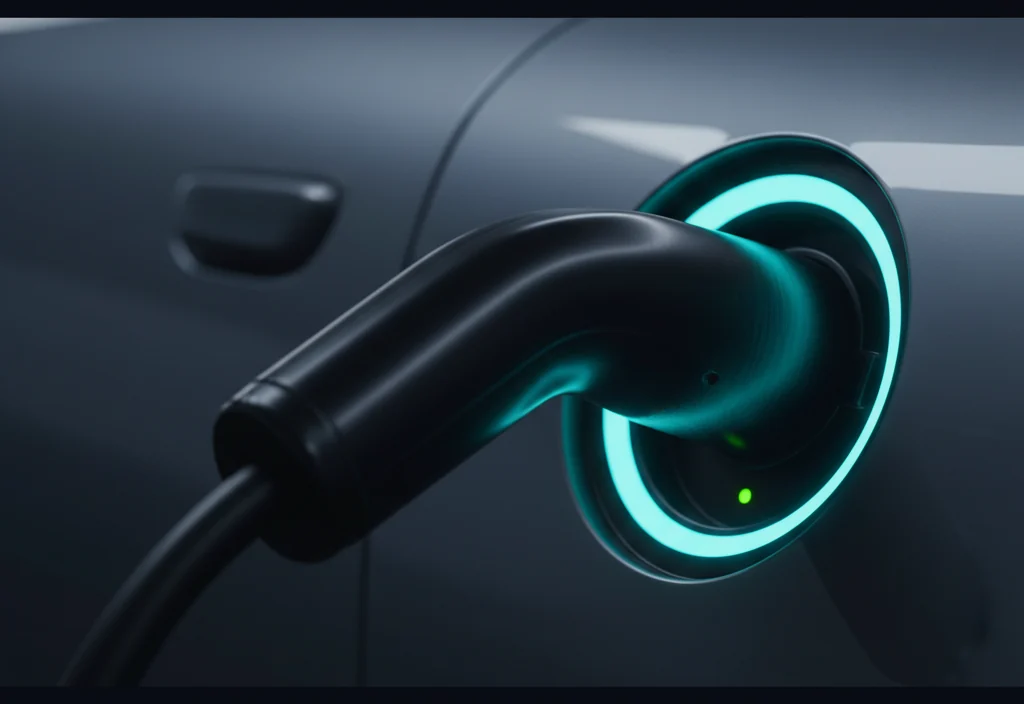
Close-up macro of a generic EV charging connector being plugged in at night, glowing cyan LED ring around the port
Pro tip

Off-peak charging

Charging between 11 PM and 6 AM can reduce your operating costs by an additional 30–40% in most urban grids with time-of-use pricing.

Why the gap is widening

Beyond fuel, EVs contain ~20 moving parts in their drivetrain compared to over 2,000 in a traditional ICE vehicle. That mechanical simplicity compounds savings over the life of the car.

  • Brake longevity
    Regenerative braking reduces wear by up to 70%.
  • No fluids maintenance
    Zero oil changes, transmission flushes, or spark plug replacements.
  • Fuel cost stability
    Electricity rates change ~3% / yr; gas can swing 30%+ in a year.

How to compare EV vs gas costs

Deciding between an electric vehicle and a gas car isn't just about the sticker price. The true cost of owning a car includes fuel, maintenance, insurance, depreciation, and any available incentives. This calculator compares all of those costs side by side, personalized to your driving habits and local prices.

What's included in total cost of ownership

Total cost of ownership (TCO) goes beyond the purchase price to include every dollar you'll actually spend — minus what you get back when you sell. The calculator factors in:

  • Net depreciation — purchase price minus estimated resale value at the end of your ownership period, minus any incentives
  • Fuel or electricity costs — based on your annual mileage, local gas prices, and electricity rates
  • Maintenance — oil changes, brake pads, transmission service (gas) vs. tire rotations, cabin filters (EV)
  • Insurance — premiums vary by vehicle type, though the gap is narrowing

Why fuel costs matter most

For most drivers, the biggest ongoing cost difference between EVs and gas cars is fuel. Electricity is significantly cheaper per mile than gasoline in most states. At the U.S. average residential rate of $0.18/kWh (EIA, early 2026), driving an efficient EV costs about $0.05 per mile. Compare that to a 30 MPG gas car at $4.10/gallon (AAA national, April 2026), which costs about $0.14 per mile. Over 12,000 miles per year, that's roughly $1,000 in annual savings — and it compounds over time. See the detailed EV charging vs gas cost breakdown for a full analysis.

The breakeven point

Electric vehicles typically cost more upfront than comparable gas cars. The breakeven point is when your cumulative savings on fuel and maintenance offset that higher purchase price. For many buyers, this happens between 2 and 5 years. The chart above shows you exactly when — or if — you'll break even based on your specific situation.

Keep in mind: breakeven isn't guaranteed. If you drive very few miles, have cheap gas, or expensive electricity, a gas car may be the more economical choice. This calculator is neutral — it shows you the honest numbers either way.

Frequently asked

Questions, answered.

Yes, completely free. No sign-up, no email, no paywall. All calculations happen right in your browser — your data never leaves your computer.
The calculator uses real-world data from the EPA (vehicle efficiency), EIA (energy prices), and AAA (fuel prices). Default values are national and state averages. For the most accurate results, enter your actual gas price, electricity rate, and annual mileage. Maintenance, insurance, and depreciation use industry averages that may vary by specific model and driving conditions.
It depends on your situation. For drivers who put on average or above-average miles and charge at home, EVs are typically cheaper over 5+ years despite the higher purchase price. But if you drive very few miles, have access to cheap gas, or face expensive electricity rates, a gas car can be more economical. That's exactly why we built this calculator — the answer is different for everyone.
Home charging (Level 2) typically costs $0.12–$0.18 per kWh, depending on your electric utility rate. Public fast charging (DC fast charge) usually costs $0.30–$0.50 per kWh. The more you charge at home, the lower your electricity costs. The slider above lets you set the home vs. public split to reflect your actual usage.
Historically, EVs cost 15–20% more to insure due to higher repair costs and more expensive parts. As of 2026, the gap has nearly closed. National averages show EV insurance at roughly $1,600/year vs. $1,550/year for gas cars. Insurance varies significantly by model, location, and driving record. You can override insurance costs in Advanced options.
The federal EV tax credit (up to $7,500 for new EVs) expired September 30, 2025 and is not currently available for new purchases. However, many states still offer their own EV incentives, including rebates, tax credits, and sales tax exemptions. The calculator automatically fills in available state incentives based on your location.
EVs have significantly lower maintenance costs because they have fewer moving parts. No oil changes, no transmission fluid, no spark plugs, and regenerative braking means brake pads last much longer. On average, EV maintenance costs about $600/year compared to $1,200/year for gas cars.
Modern EV batteries are designed to last 200,000+ miles and most come with 8-year/100,000-mile warranties. Most EVs retain 85–90% capacity after 100,000 miles. Replacement costs have dropped to $6,000–$12,000 (from $20,000+ a few years ago), but most owners will never need a replacement during typical ownership. This calculator does not include battery replacement as a cost because it's an uncommon event within normal ownership periods.
On average, yes. EVs have historically depreciated about 12% per year compared to 9% for gas cars over the first 5 years. However, this varies widely by model — popular models like the Tesla Model 3 and Model Y hold their value better than average, while some less popular EVs depreciate faster. The gap is narrowing as EV technology matures and consumer confidence grows. You can adjust depreciation rates in Advanced options.